




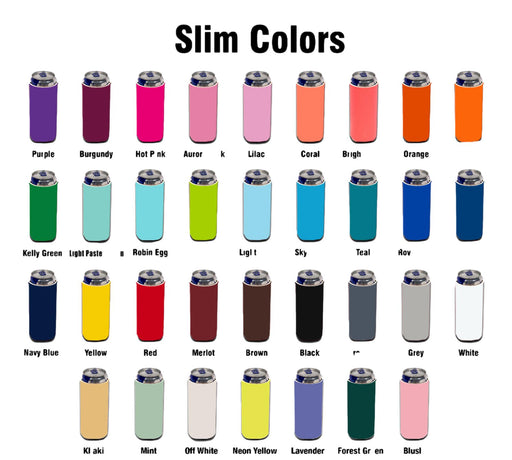
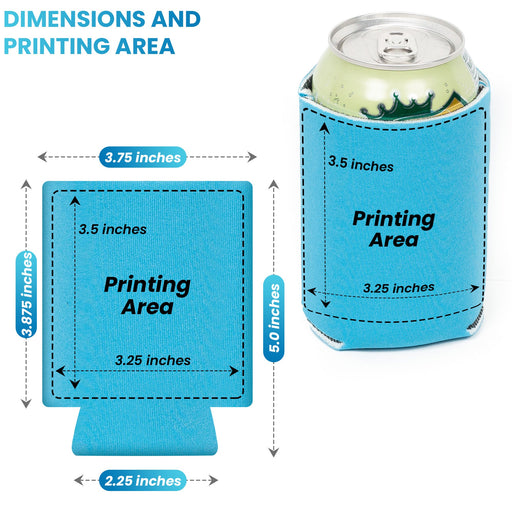
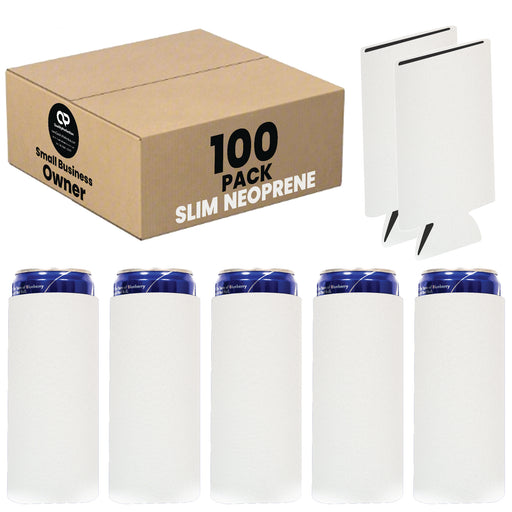
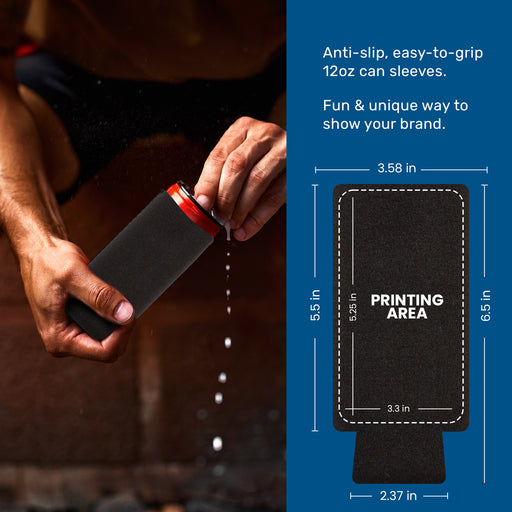
Typically ships out in 24 hours 2-3 days shipping time (free shipping) Product Details Premium 4mm Collapsible Slim Can Koozies Holds Most Slim...
View full detailsTypically ships out in 24 hours 2-3 days shipping time (free shipping) Description: Enjoy a cold beer, a spiked seltzer, or your favorite Beer D...
View full detailsTypically ships out in 24 hours 2-3 days shipping time (free shipping) Product Details FREE SHIPPING on this item over $45 Premium 4mm Colla...
View full detailsTypically ships out in 24 hours 2-3 days shipping time (free shipping) Product Details Premium 4mm Collapsible Slim Can Koozies Holds Most Sl...
View full detailsEnjoy a cold beer, a spiked seltzer, or your favorite Beer Drink flavor while keeping it cold, crisp, and delicious with a QualityPerfection can co...
View full detailsTypically ships out in 24 hours 2-3 days shipping time (free shipping) Product Details Premium 4mm Collapsible Slim Can Koozies Holds Most Slim...
View full detailsTypically ships out in 24 hours 2-3 days shipping time (free shipping) Product Details Premium 4mm Collapsible Slim Can Koozies Holds Most S...
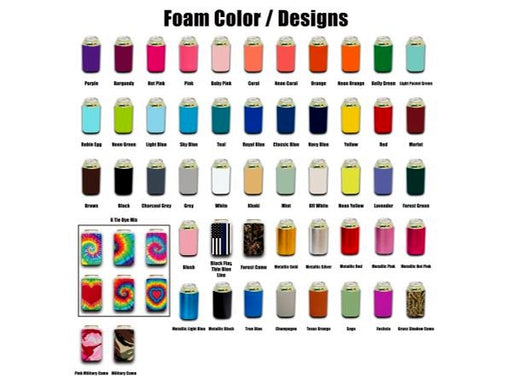
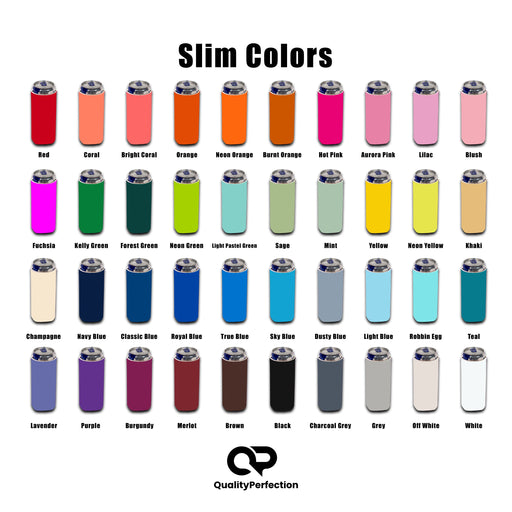
View full detailsSamples - Might be with colors defects or print, We choose them randomly. Neoprene and foam are not the same shades of colors. The price is for 100...
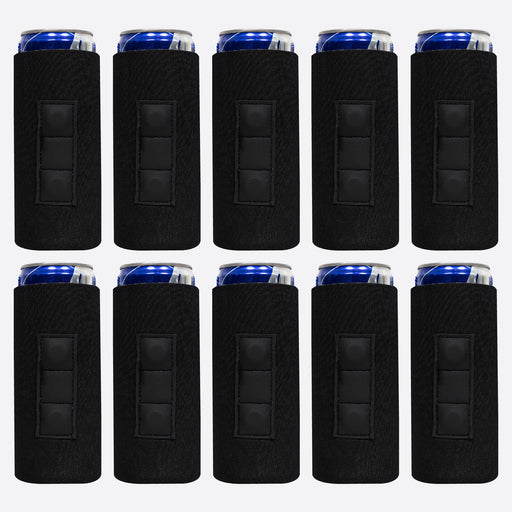
View full details3 Magnets Slim can cooler sleeves FREE SHIPPING on this item over $45 Premium 4mm Collapsible Slim Can Coolers Holds Most Slim 12 oz. Cans Col...
View full detailsFREE SHIPPING on this item over $45 3 magnets 2 Magnets are Hot pink, Royal Blue and red Premium 4mm Collapsible Slim Can Coolers Holds Most...
View full details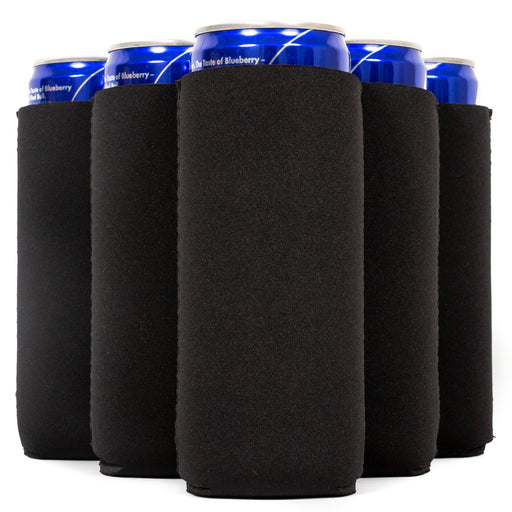




Leave a comment